The Rising Trend of Alpine Divorce: Why Mountain Communities Are Seeing More Separations
The Rising Trend of Alpine Divorce: Why Mountain Regions Are Seeing More Separations
In recent years, a fascinating social phenomenon has emerged across mountain communities worldwide - what experts are calling "alpine divorce." This trend, which has seen a significant spike in search interest according to Google Trends data, refers to the increasing rate of divorces and separations occurring specifically in high-altitude regions and mountain towns.
What Exactly Is Alpine Divorce?
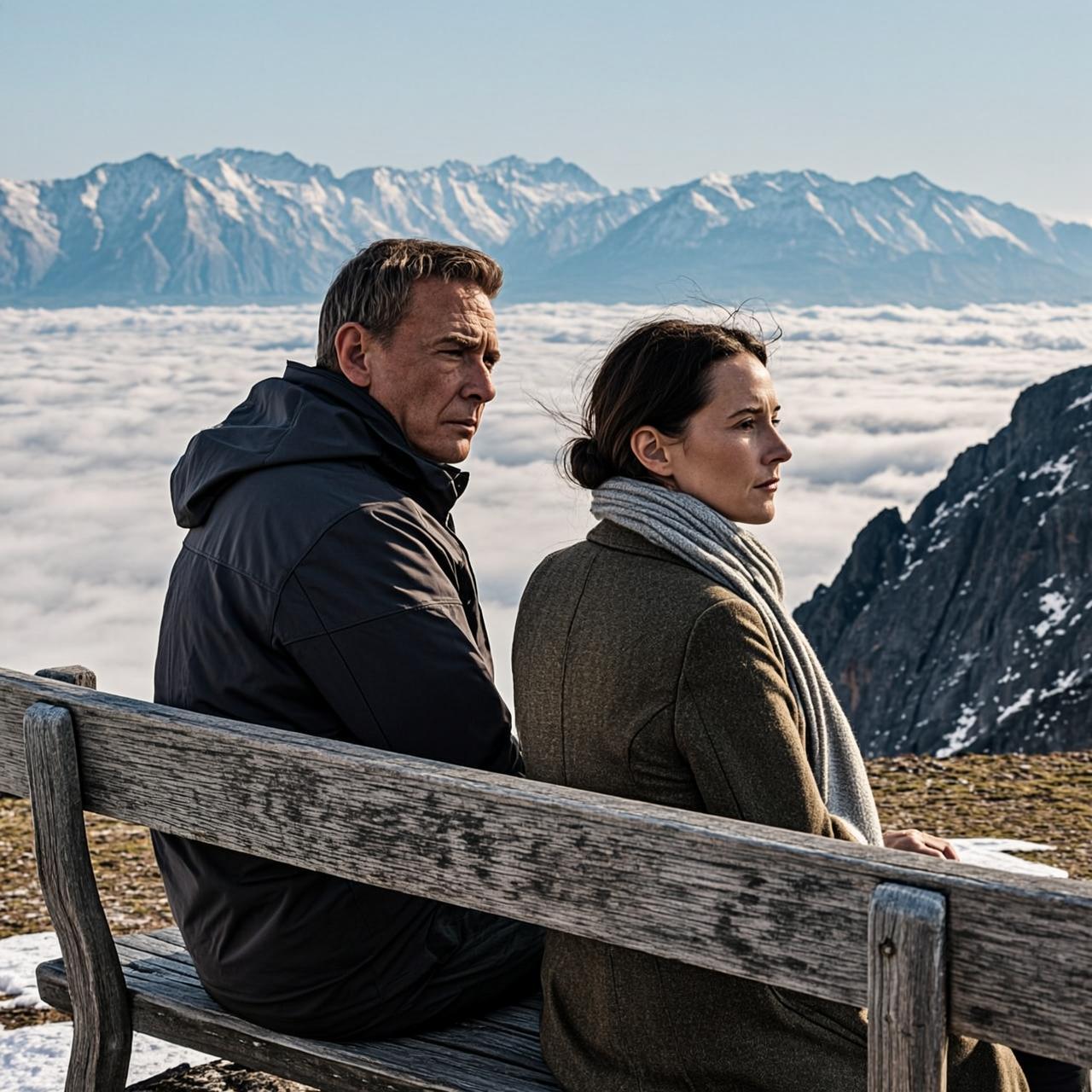
Alpine divorce isn't just about where people live, but rather the unique circumstances surrounding relationships in mountain communities. The term describes the growing phenomenon of couples choosing to separate or divorce after relocating to or living in alpine environments, or conversely, the increased stress that mountain living places on relationships that ultimately leads to separation.
Mountain communities have always had distinct characteristics - close-knit social circles, economic challenges related to tourism and seasonal work, and the physical isolation that comes with living in remote areas. These factors, combined with the growing trend of people seeking "mountain lifestyles" as a form of escape from urban pressures, have created a perfect storm for relationship stress.
Why Are Mountain Communities Seeing More Divorces?
Several key factors contribute to the rise of alpine divorce rates:
Economic Pressures
Mountain economies are often seasonal and precarious. The reliance on tourism, winter sports, or summer visitors creates boom-and-bust cycles that can strain family finances. In communities where housing prices have skyrocketed due to demand from wealthy second-home buyers, local residents face significant economic pressure.
Social Isolation
While many people dream of mountain living for its natural beauty and tranquility, the reality can be quite different. Social isolation is a significant factor in many alpine divorces, especially in communities where the winter months bring limited social interaction and extreme weather conditions that can make even simple tasks challenging.
Shifting Lifestyle Expectations
The romanticized version of mountain living often doesn't match reality. Couples may relocate to mountain regions with unrealistic expectations about their new lifestyle, only to discover that the challenges of remote living, limited career opportunities, and harsh winters create significant stress on their relationship.
Remote Work Complications
The rise of remote work has brought more people to mountain regions, but this hasn't necessarily strengthened relationships. In some cases, couples have discovered that working remotely in close quarters without the buffer of office schedules and commutes creates new tensions.
Geographic Patterns of Alpine Divorce
Interestingly, alpine divorce isn't uniformly distributed across all mountain regions. According to sociological studies, certain areas show higher rates than others:
- Resort communities with high property values and seasonal economies
- Remote mountain towns with limited healthcare and social services
- Regions experiencing rapid gentrification and influx of new residents
- Areas where outdoor recreation has become the dominant industry
These communities often experience what researchers call the "paradox of paradise" - the disconnect between the idyllic image of mountain living and the practical realities of day-to-day existence in these environments.
Coping Strategies and Support Systems
Recognizing this trend, many mountain communities have begun developing support systems for couples experiencing relationship difficulties:
Relationship Counseling Services
Some mountain towns have started offering specialized counseling services that understand the unique stressors of alpine living. These services often incorporate outdoor therapy sessions, taking advantage of the natural environment that initially attracted residents.
Community Building Initiatives
Local organizations are working to strengthen community bonds to combat social isolation. Events, classes, and social gatherings help create support networks that can buffer relationship stress.
Economic Diversification
Communities are also working to create more stable economies through diversification, reducing the financial pressures that contribute to marital stress.
The Future of Alpine Divorce
As climate change continues to impact mountain environments and more people seek refuge in these regions, the alpine divorce trend may continue to evolve. Researchers predict:
- Increased rates in communities facing economic instability due to changing snow patterns
- Higher divorce rates in areas experiencing rapid population growth
- Development of more specialized support services for mountain couples
Conclusion
The rise of alpine divorce represents a fascinating intersection of lifestyle trends, economic realities, and social dynamics in mountain communities. While the romantic image of mountain living continues to attract people seeking escape from urban pressures, the practical realities of these environments create unique challenges for relationships.
Understanding these factors can help couples make more informed decisions about relocating to mountain regions, while also helping communities develop better support systems for residents. As this trend continues to evolve, it will be important to balance the preservation of mountain communities with the well-being of the families that call them home.